Sewage Field Installation in Denver, CO
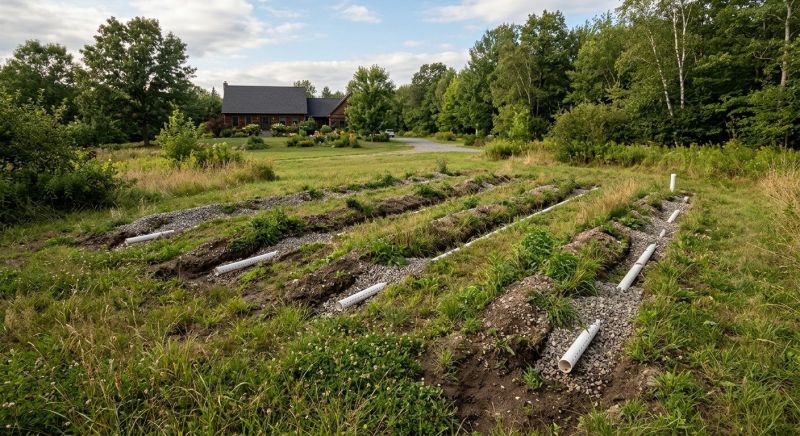
Sewage field installation services involve setting up the underground systems that treat and dispose of wastewater from residential properties. This service is essential for new construction projects, property upgrades, or replacing aging systems. Property owners typically seek this service when establishing a septic system for a home that is not connected to a municipal sewer line, or when repairs and upgrades are needed to ensure proper waste management. Understanding the size of the property, soil conditions, and local regulations can help determine the appropriate type of sewage field system and ensure compliance with health and safety standards.
Before requesting sewage field installation, property owners should consider factors such as the property's size, the number of residents, and the intended usage to determine the system's capacity. It is also important to evaluate the land’s topography and soil composition, as these influence the design and placement of the sewage field. Local regulations may specify setbacks, depth requirements, and other standards that impact installation. Gathering this information in advance can facilitate a smoother process and help ensure the system functions effectively for years to come.
Many property owners in Denver, CO look into Sewage Field Installation for repairs, replacements, upgrades, and appearance-related improvements.
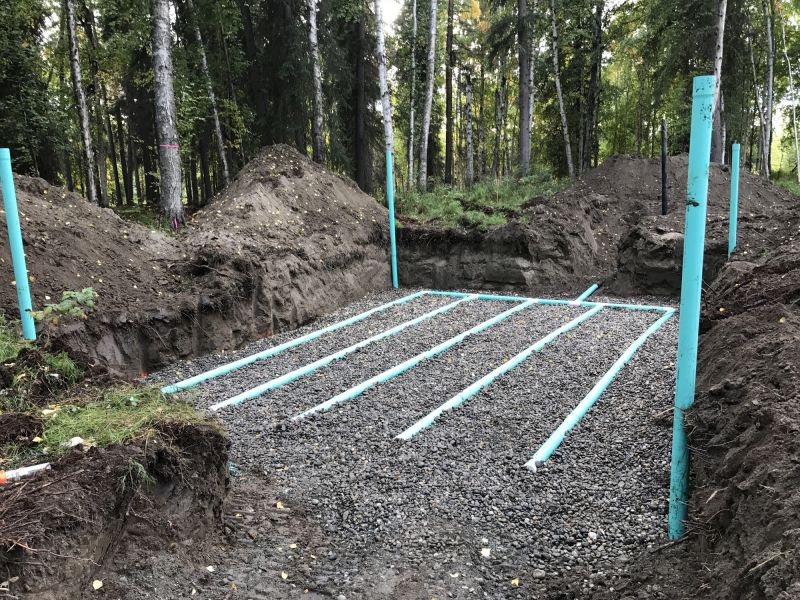
Sewage Field Design And Planning
Proper planning ensures efficient sewage disposal for residential and commercial properties in denver.
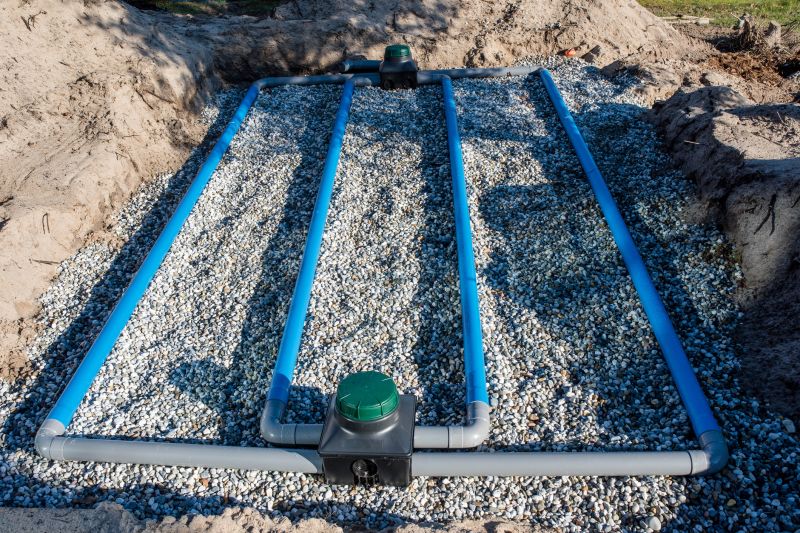
Installation And Connection Services
Professional installation connects your property to the municipal sewer system or a private septic system.
Maintenance And Repair Solutions
Regular maintenance and timely repairs help prevent system failures and extend the lifespan of sewage fields.
Sewage Field Installation in Denver, CO

Sewage field installation services involve setting up the underground systems that treat and dispose of wastewater from residential properties. This service is essential for new construction projects, property upgrades, or replacing aging systems. Property owners typically seek this service when establishing a septic system for a home that is not connected to a municipal sewer line, or when repairs and upgrades are needed to ensure proper waste management. Understanding the size of the property, soil conditions, and local regulations can help determine the appropriate type of sewage field system and ensure compliance with health and safety standards.
Before requesting sewage field installation, property owners should consider factors such as the property's size, the number of residents, and the intended usage to determine the system's capacity. It is also important to evaluate the land’s topography and soil composition, as these influence the design and placement of the sewage field. Local regulations may specify setbacks, depth requirements, and other standards that impact installation. Gathering this information in advance can facilitate a smoother process and help ensure the system functions effectively for years to come.
Many property owners in Denver, CO look into Sewage Field Installation for repairs, replacements, upgrades, and appearance-related improvements.
Common Sewage Field Installation Jobs
Sewage Field Installation - Installation of underground systems to safely manage wastewater disposal.
Sewage Field Replacement - Replacing aging or damaged sewage fields to prevent leaks and backups.
Sewage Field Repair - Fixing issues such as clogs, leaks, or uneven settling in existing systems.
Sewage Field Expansion - Extending current sewage systems to accommodate property additions or improvements.
Sewage Field Design - Planning and designing efficient sewage disposal layouts for new or existing properties.
Sewage Field Inspection - Assessing system conditions to identify potential problems before they become costly repairs.
Sewage Field Installation Questions
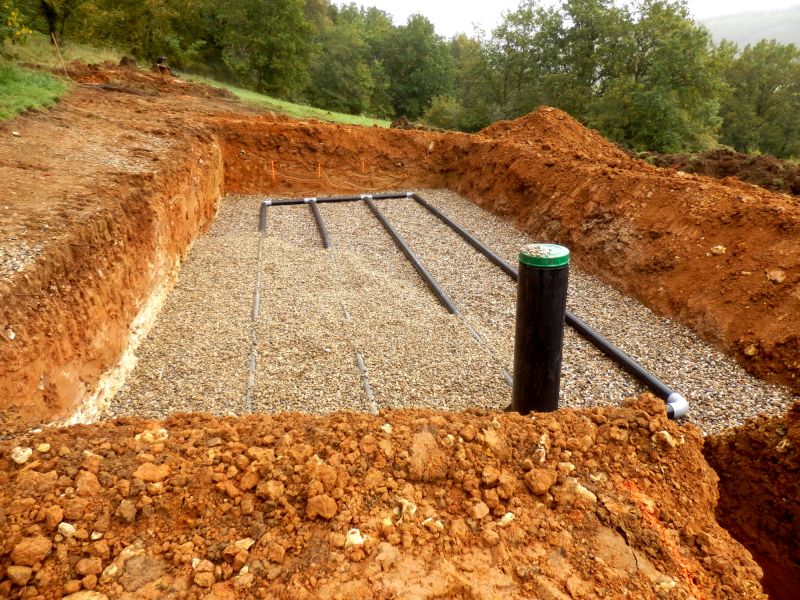
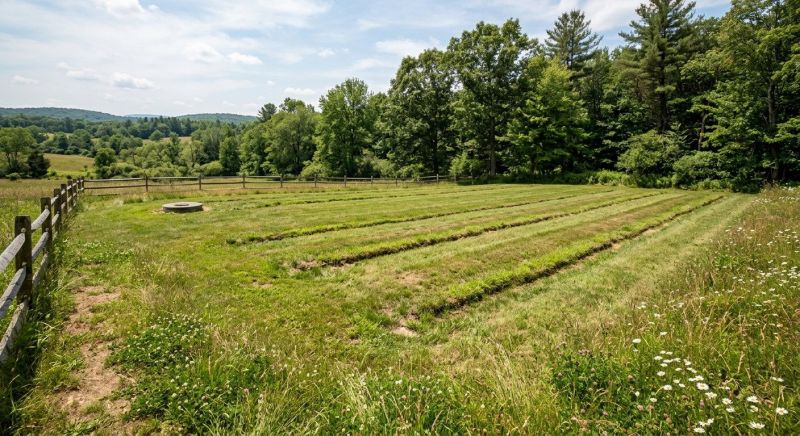
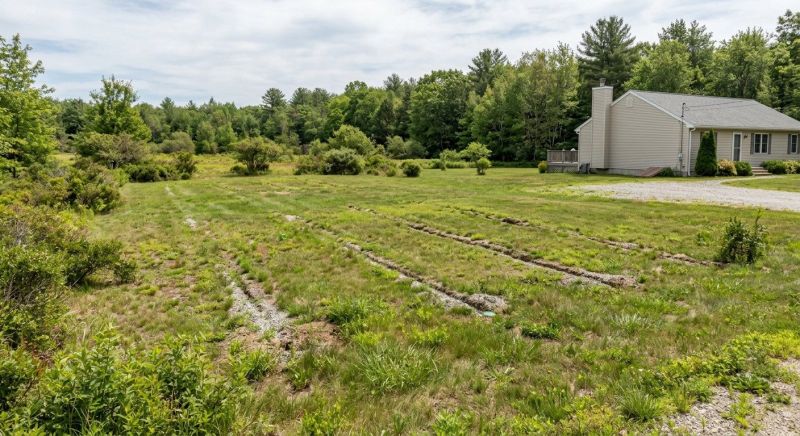
What is sewage field installation? It involves setting up a drainage system underground to safely carry wastewater away from a property.
What types of properties typically need sewage field installation? Residential homes, commercial buildings, and properties with existing septic systems requiring upgrades or replacements often need this service.
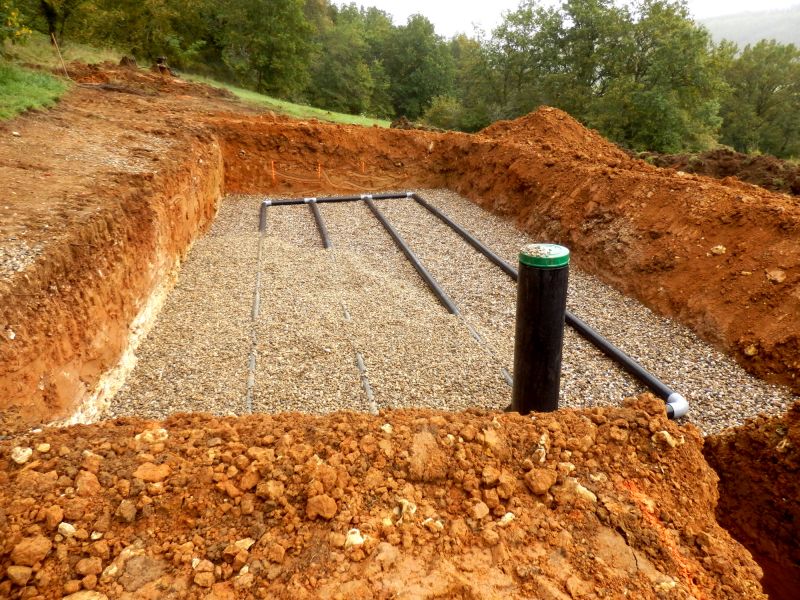
How does the installation process work? The process includes excavating the area, installing the drainage field components, and ensuring proper connection to the septic system.
What should property owners consider before installation? It's important to evaluate soil conditions, property size, and local regulations to determine the best system for the site.
Request Sewage Field Installation in Denver, CO
Use the quote form on this page to share the basics of your project and request more information for the type of work you need.